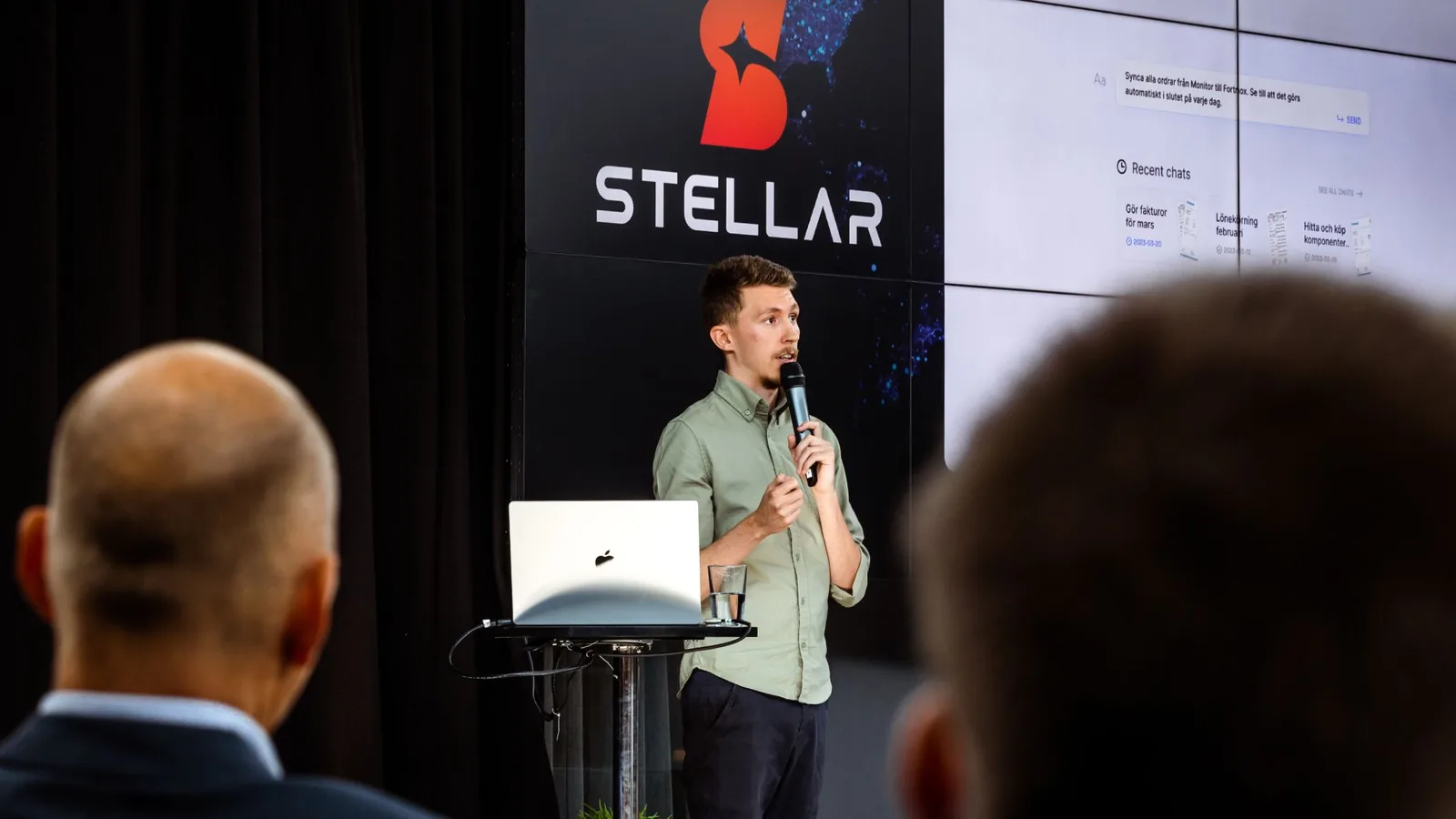
At an event at GRO36 in Jönköping we unveiled two AI products we had kept secret: Polaris for customer support, and STELLA, a personal AI assistant that runs tasks in your digital systems for you.
We've been sitting on this one for a while, and this morning we finally got to show it on stage. At an event at GRO36 here in Jönköping, Philip and David unveiled two AI products we've kept secret until now: Polaris, our AI assistant for customer support, and the one this post is about. Meet STELLA.
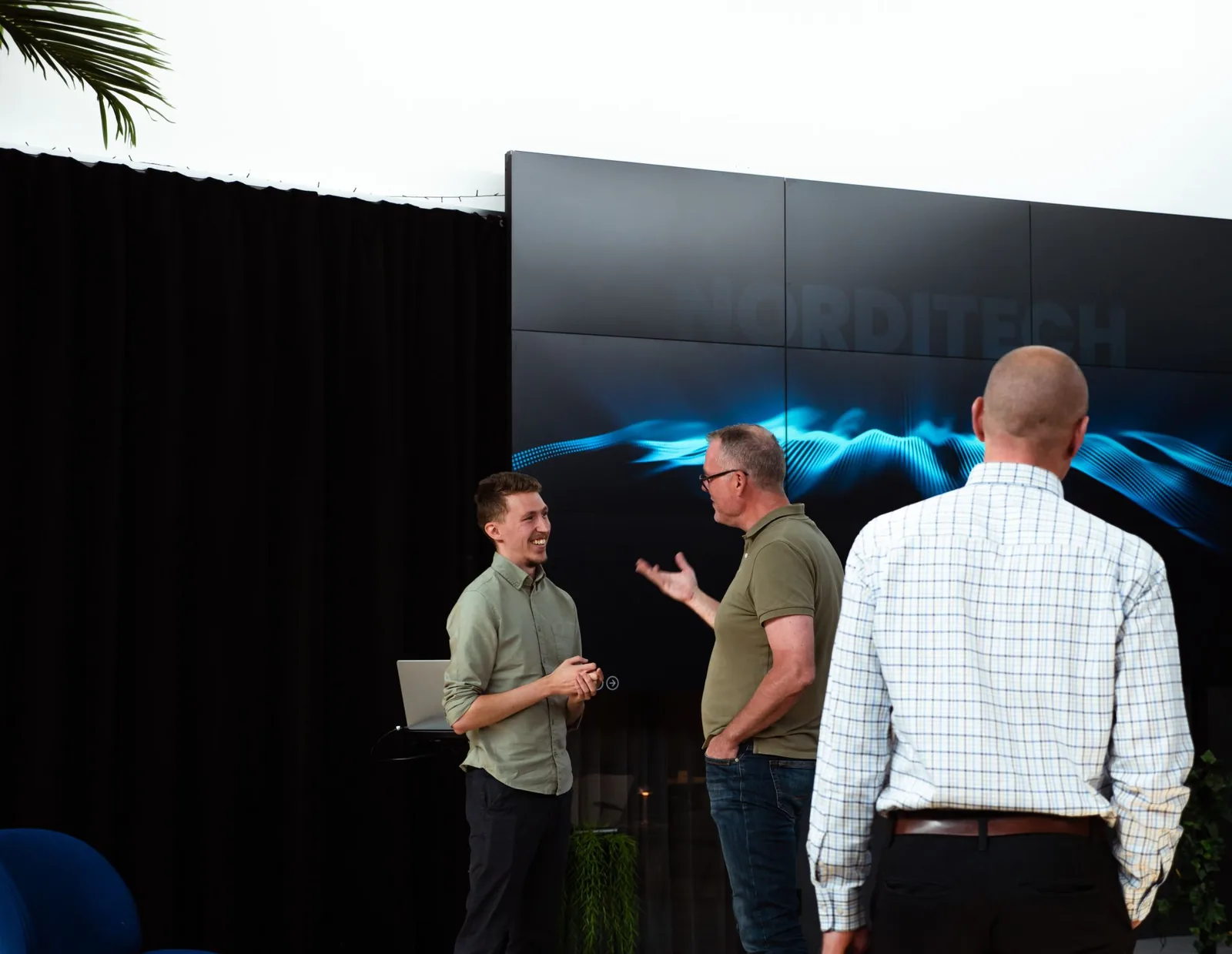
We also had the honor of sharing the morning with Fredrik Löfgren, who shared his insights on how technology, digitalization, and AI are changing our society. A perfect frame for what we were about to show, because that's exactly what we believe STELLA is part of.
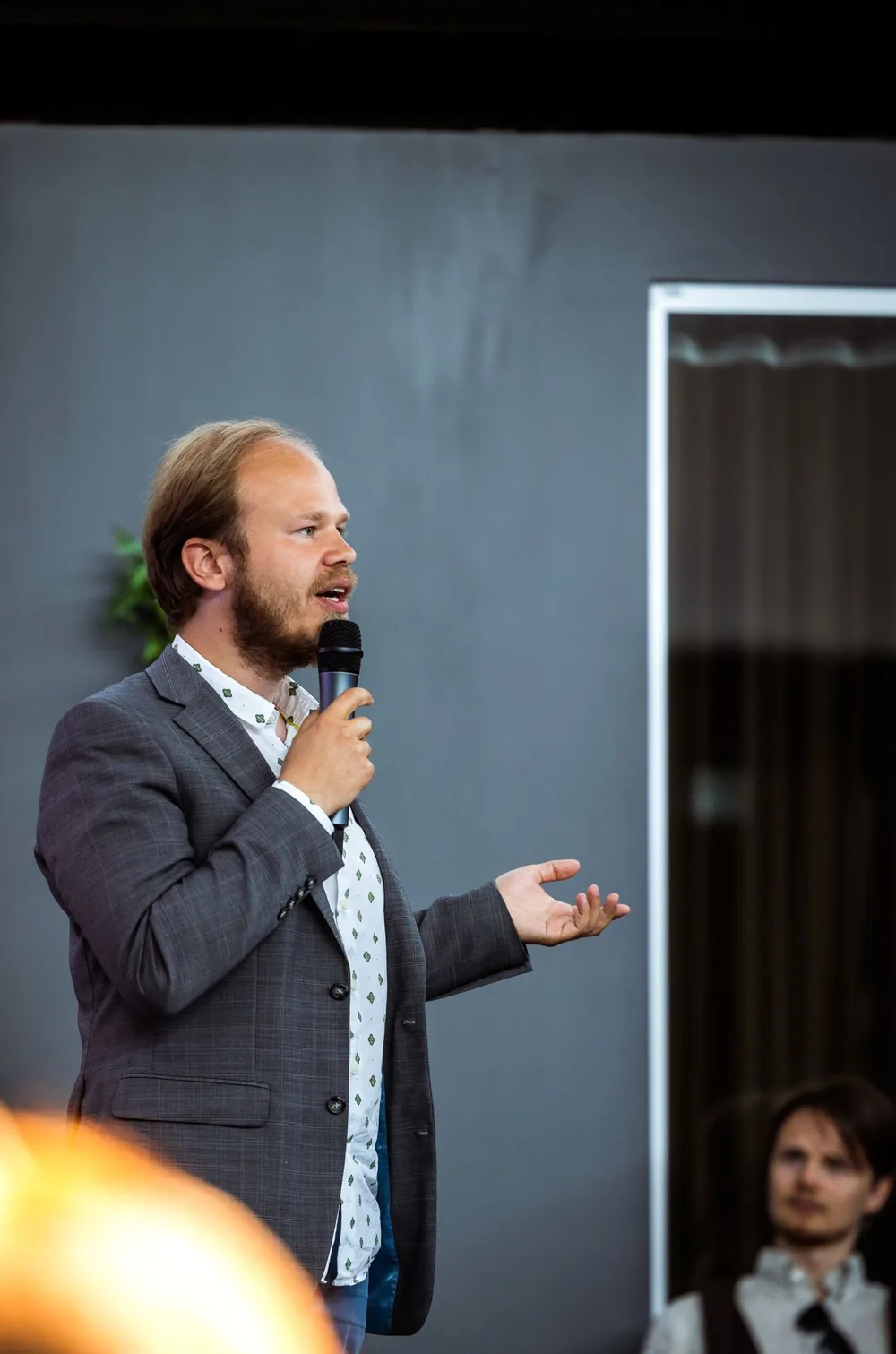
The whole thing began on a typical Saturday evening in the kitchen at our office. David, tired after yet another payroll run, said something along the lines of "I'm so sick of doing these, can't we just build an AI that does it for us?"
We laughed. Then we thought about it. Why not, actually? Why couldn't we give an AI access to our business system and let it handle the payroll run? And once you start pulling on that thread, it doesn't stop. Why not give it access to all of our digital services, and let it handle any task in any of our systems?
A few weeks later we had a demo running, and that's when it hit us. Why should anyone ever have to learn a complicated interface again? Why learn how to create invoices in your business system when you can just ask a digital assistant to do it?
Today, working with digital tools means sitting in front of a screen, clicking around in a dozen different programs, and manually moving information from one system to the next. One tool for scheduling, one for payroll, one for payments, maybe a fourth for taxes. You are the integration.
STELLA flips that around. It's a personal AI assistant that sits between you and your digital services. You tell it what you want done, and instead of you going into all the systems, it does. We use it ourselves for payroll runs, sending invoices, and analyzing projects in our planning tool. It doesn't just suggest improvements to our business, it can actually carry some of them out.
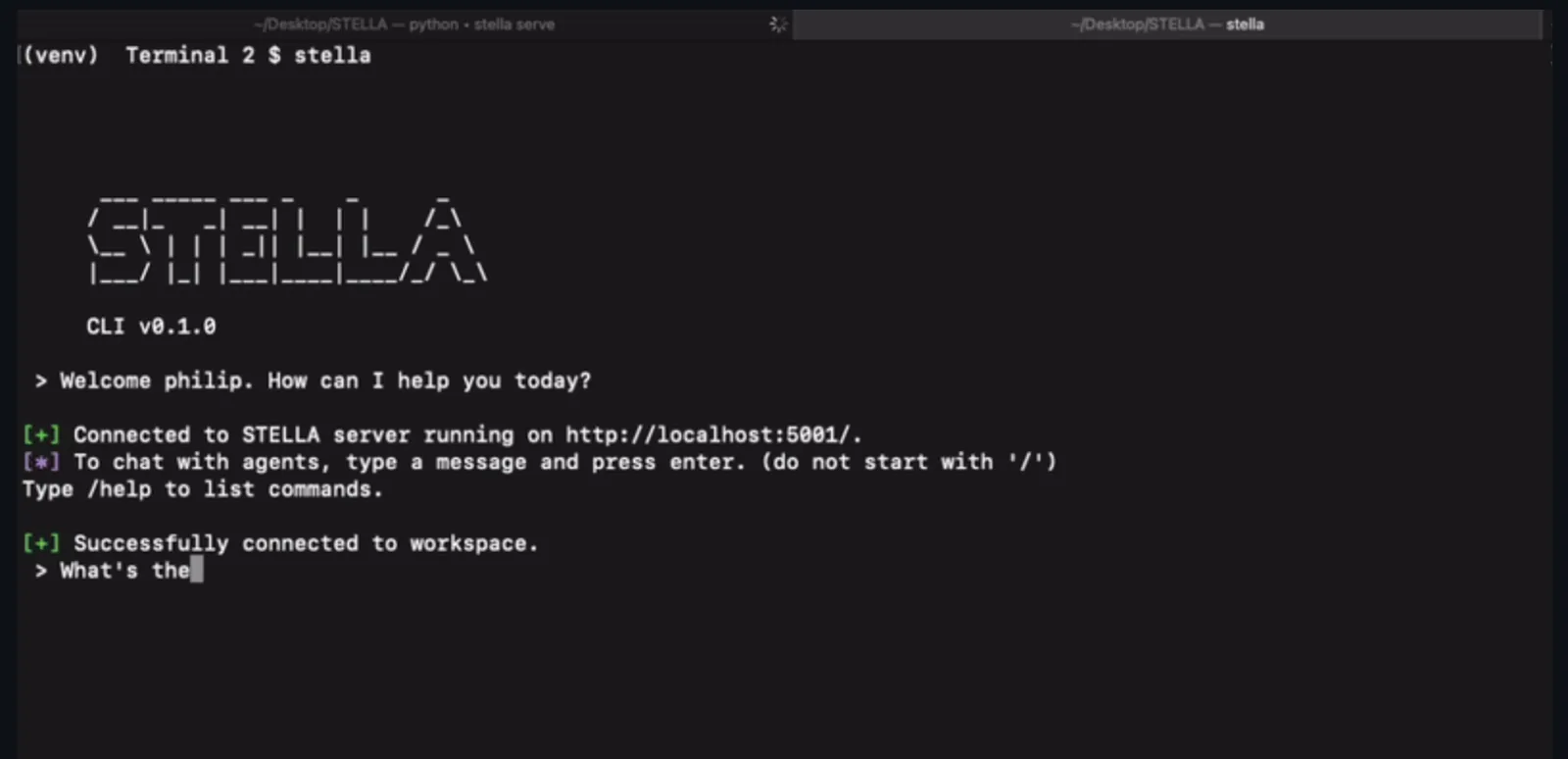
Under the hood, STELLA is built as a network of very specialized AI assistants, each an expert on its own little area. When one of them gets a task it can't solve alone, it asks the others for help, a bit like how you go to the bank for money questions and a real estate agent for housing. Give STELLA a task and it might quietly coordinate ten assistants, each solving the piece they're best at.
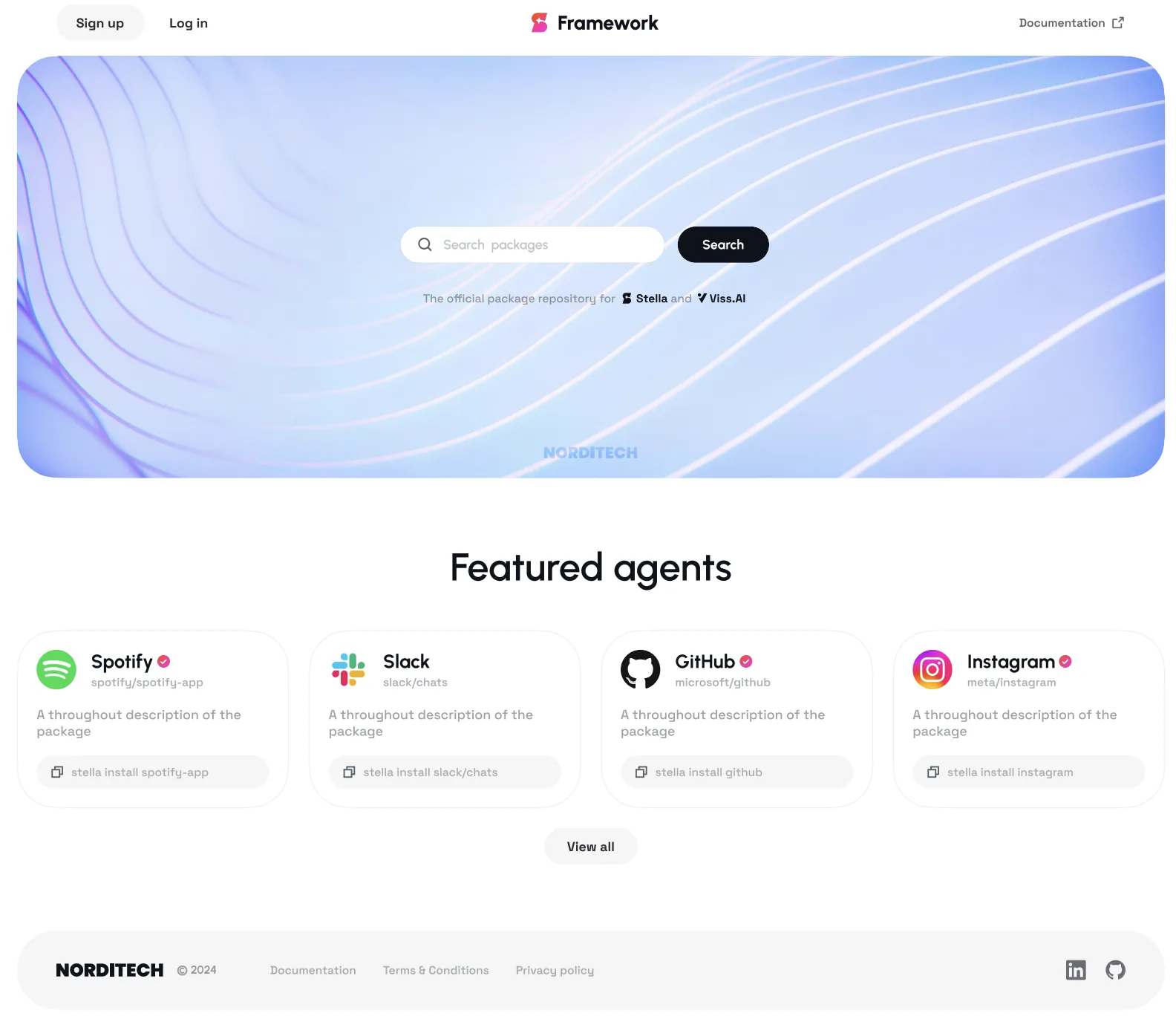
The part we're most proud of: STELLA can build its own integrations against digital services. Instead of us spending months building each integration by hand, STELLA learns how to use the service itself, and we verify that it does it correctly. We started planning and building this before the current generation of AI models had even been released, betting that the technology would soon be strong enough. It is now.
We're also developing a validation layer, a technology for making sure the AI only does what you actually want it to do. That part matters to us as much as the intelligence itself.
From July 1 we'll start giving a limited number of people access to an early version of STELLA. You can join the waitlist at stella.norditech.se already today.
The most common reaction when people try it is some variant of "how is this even possible?" We'd rather not explain it. We'd rather you feel it yourself the first time you use it.
 Download for Mac
 Download for Windows