
This company is defined by its people. Quick-set, 3TEMP, FC Production, LabelDetector: these are the projects Philip has spent the most hours on.
This company is defined by its people, and these are the projects Philip has spent the most hours on.
Quick-set manufactures plastic details, and they brought us in to build a laser inspection system for their robots. At the heart of the system sits the LMI Gocator, a smart 3D laser line profiler that uses laser triangulation to scan parts at production speed. The sensor projects a laser line across the part and reconstructs its full 3D shape point by point, with onboard processing making measurement decisions in real time, directly on the sensor. The result is high resolution, non contact inspection of every single part that passes through, at micron level precision.

Getting that to work reliably inside a robot cell on a factory floor is a very different thing than getting it to work in a demo.
3TEMP builds coffee brewers, and they're doing something we haven't seen anywhere else: state of the art inspection to determine the quality of the coffee itself. Our role in the project was the design of their software. Advanced technology only matters if people can actually use it, so the work was about making the interface as intuitive as the machine is smart.
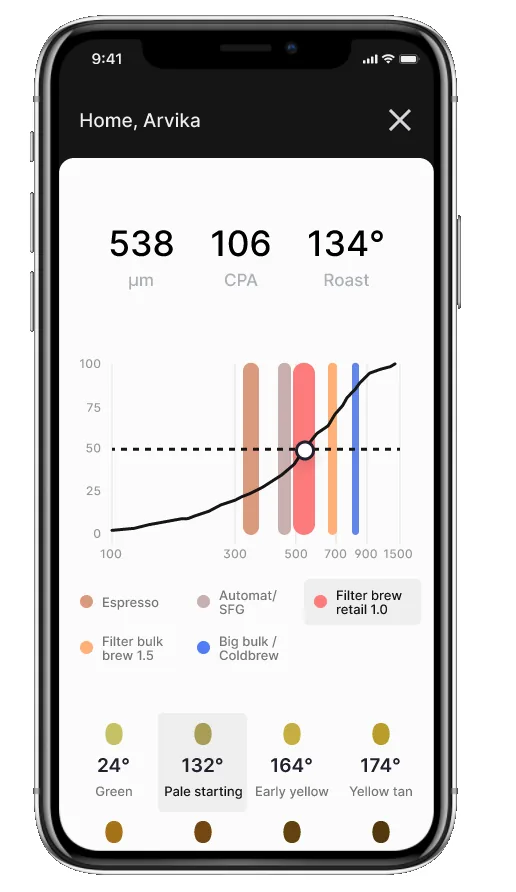
The entire design came from Philip, and it says a lot about him. Deeply technical, but just as invested in the person standing in front of the machine.
For FC Production, we built automation for salary handling and payment gateways for physical payments. This one was a pure software integration challenge: development in the cloud, on Linux, and connecting a whole ecosystem of different systems so that money and payroll data flow automatically where they should. Less visually flashy than lasers and cameras, but the kind of plumbing that saves a company real hours every single week.

Philip built and carried the whole thing. Nobody puts payment plumbing on a poster, but it ran, it kept running, and he takes a lot of pride in that kind of invisible work.
If you've never worked in a warehouse, here's the short version. Companies with medium to large storage facilities spend an absurd amount of time on manual stock-taking. People walking aisles with clipboards or handheld scanners, reading labels, reconciling what's physically on the shelf against what the ERP system claims is there. The existing alternatives aren't great either: fully automated warehouses require rebuilding your entire facility, and RFID trackers replace one manual process with another, and when a tag breaks, the item simply disappears from the system.
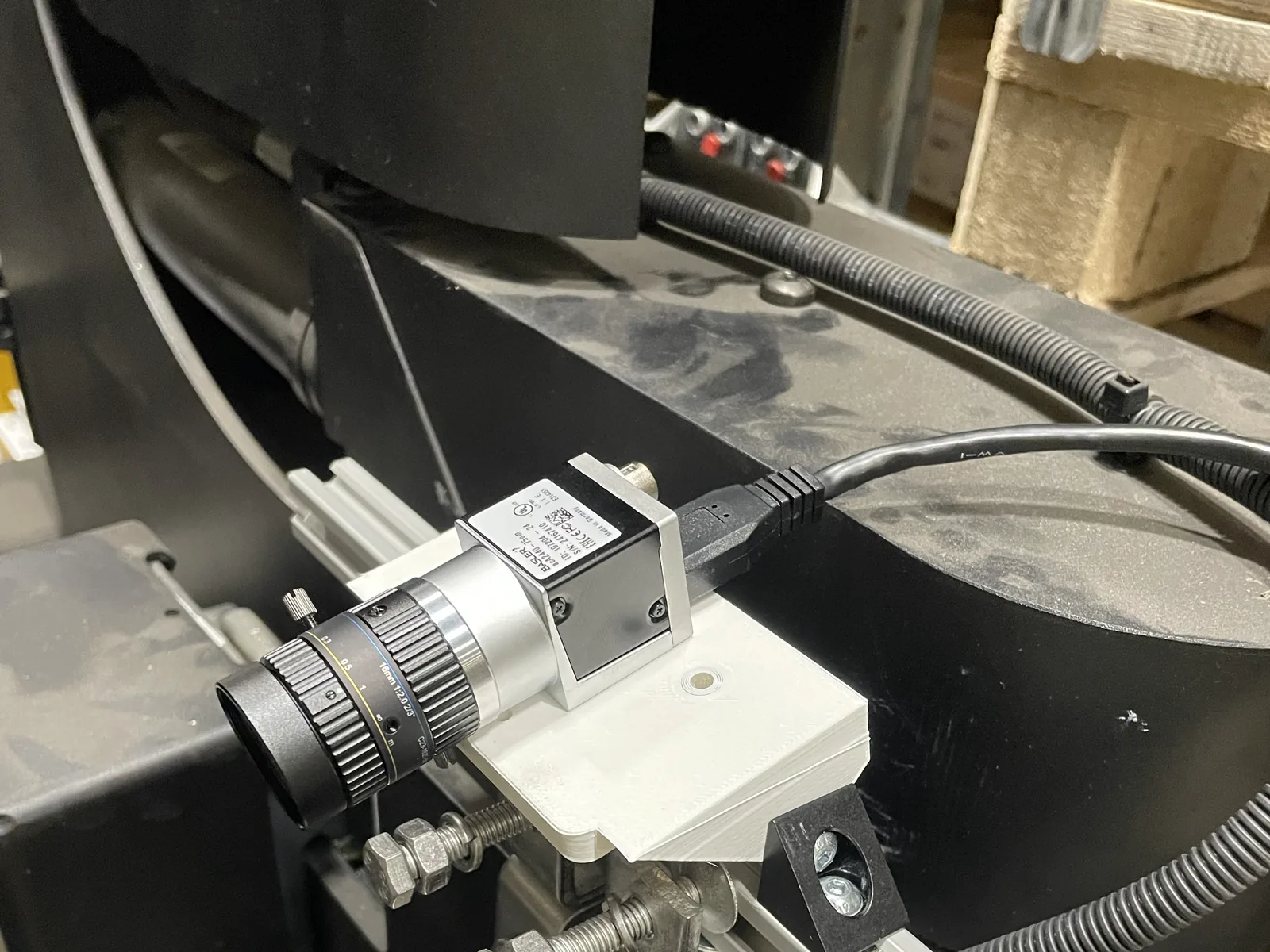
Our idea was simpler. Almost every warehouse already has one thing in common: labels with human readable text on them. So instead of asking companies to change how they work, we built smart cameras that read what's already there. Cameras with pan, tilt, and zoom that pick out individual pallet labels from a distance, then read and classify the text on them.
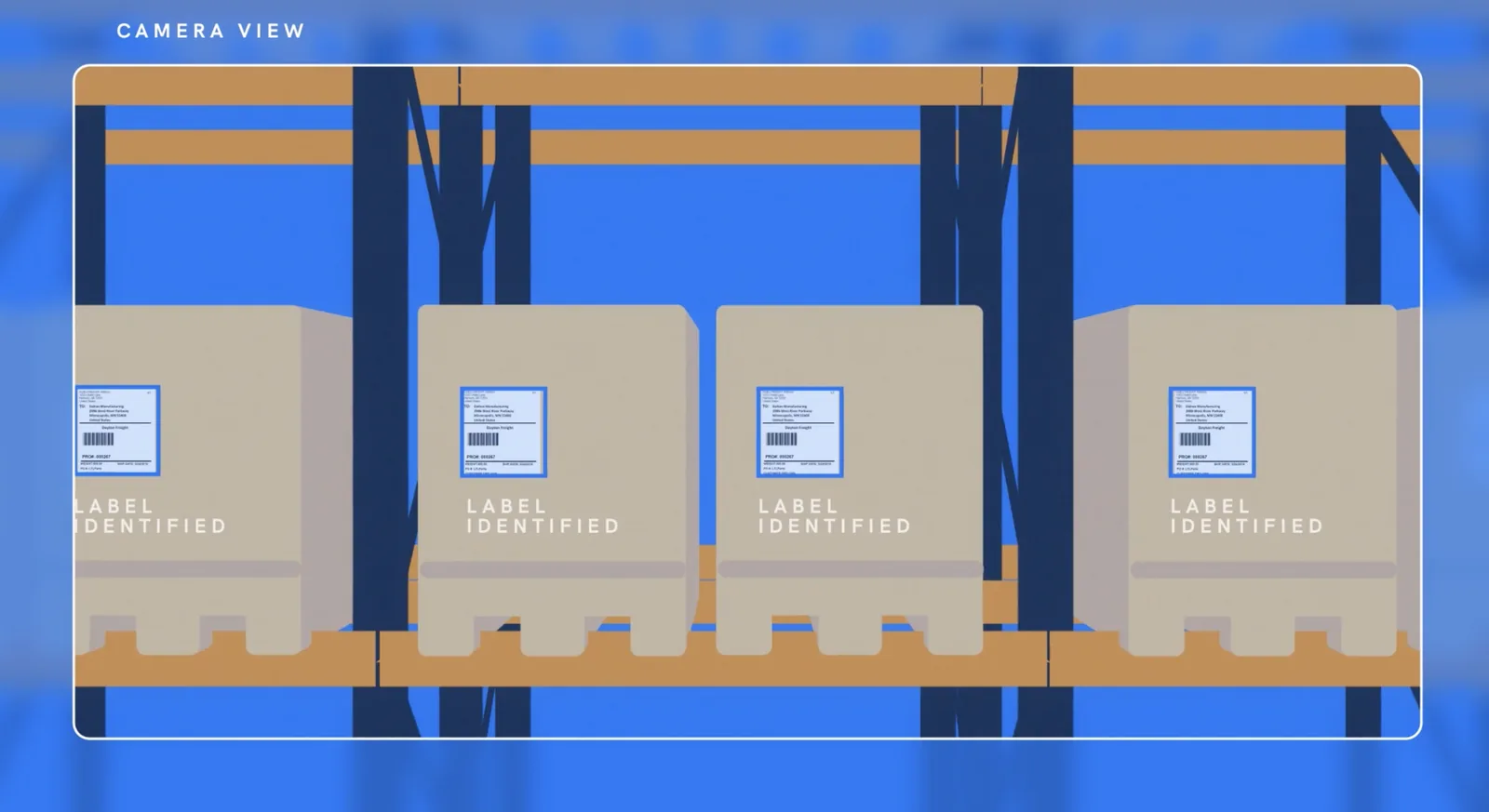
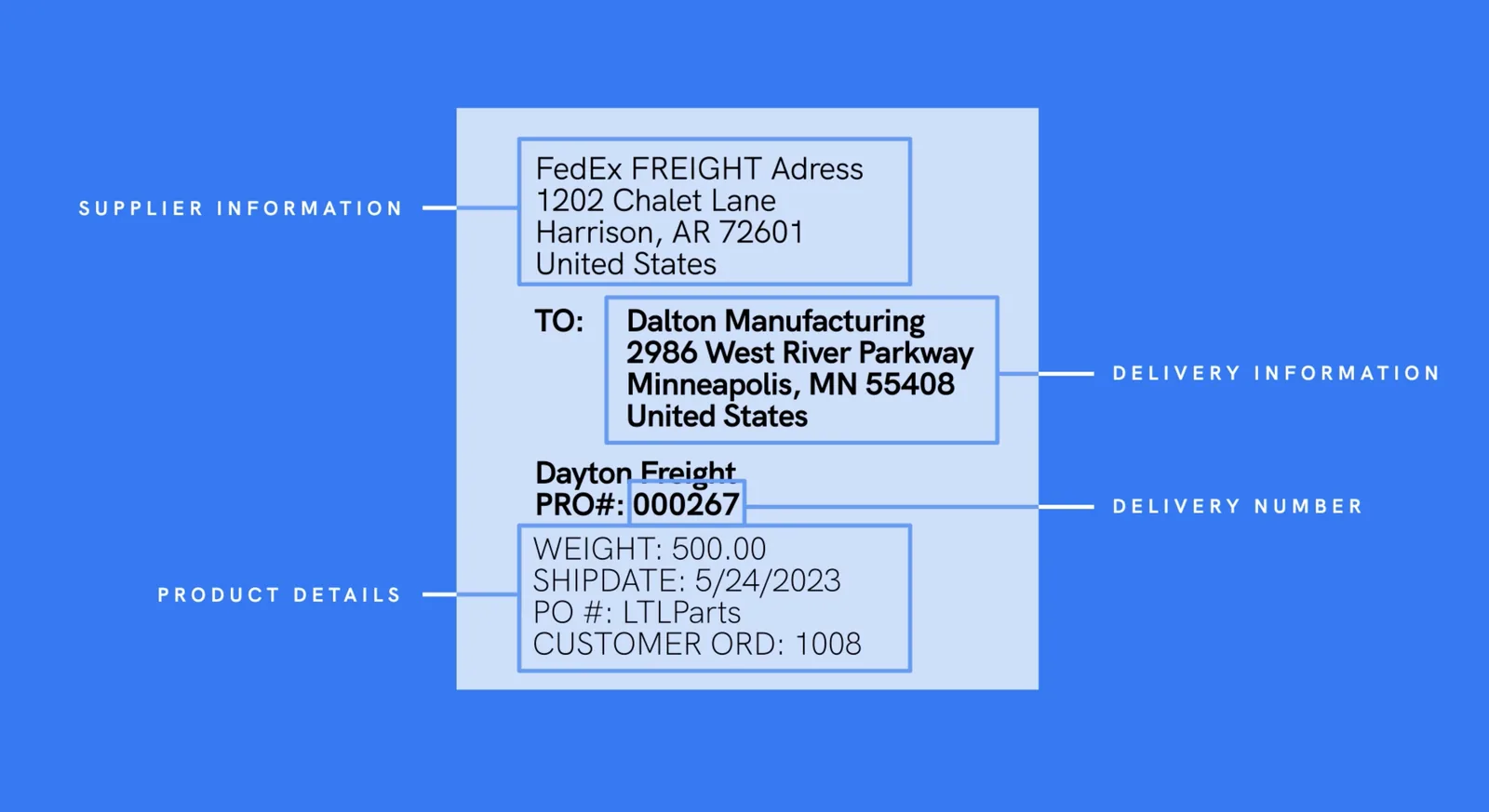
All of it feeds into a real time inventory list that syncs with the customer's ERP system, so deviations between the books and the shelves show up automatically instead of once a year during the dreaded inventory week.
The key design decision was that LabelDetector is an extension of the warehouse, not a redesign of it. No rebuilding, no new labeling process, no expensive hardware attached to every pallet. We proved it in the real world together with Eboss, with partial backing from Almi's Inkomst 4.0 digitalization program, running under sharp conditions with a live integration to the Monitor G5 ERP system.
Then came the part we're still proud of. LabelDetector was selected as one of four companies, out of hundreds of European tech startups, to pitch to SAAB, Siemens Energy, Väderstad, and Toyota Material Handling Europe as part of Indx, an initiative by Science Park in Linköping. That pitch turned into pilot projects with Toyota Material Handling Europe, the world's leading forklift manufacturer, to take the cameras off the ceiling and put them on the trucks themselves, so every trip through the warehouse becomes an inventory pass.

The idea, the product, the pilots, the pitch, the partnership. That was Philip. And that's the short version of him. The long version, you'll have to work with us to find out.
 Download for Mac
 Download for Windows