
RoboWaste, Wheelscanning, Eboss, Rapid Dimension. Four projects that show what David brings: deep learning, stereo vision, and systems that hold up in production.
David carries extensive knowledge from years of engineering projects. Here are a few where he has been a key player.
In the RoboWaste project, we worked together with Saab, Vattenfall, and Tekniska verken to build the world's first inspection system for plastic in waste.
Why does that matter? When plastic ends up in waste streams headed for incineration, it becomes an unnecessary source of fossil CO2 emissions. Until now, the only way to analyze a load of waste has been to hand pick and weigh it, a process so slow and costly that it's done just a few times a year. A system that can look at waste and tell you what's plastic, and what kind, changes the economics of recycling entirely.
Our work centered on the hardest part: making the machine actually see. We designed and trained the deep learning models and neural networks behind a state of the art vision system, and pushed into cutting edge development of hyperspectral imaging: cameras that see far beyond what the human eye can, revealing the material signature of what's on the belt. On top of that, we merged Saab's military grade stereo vision technology into the system to determine the plastic content of the waste.
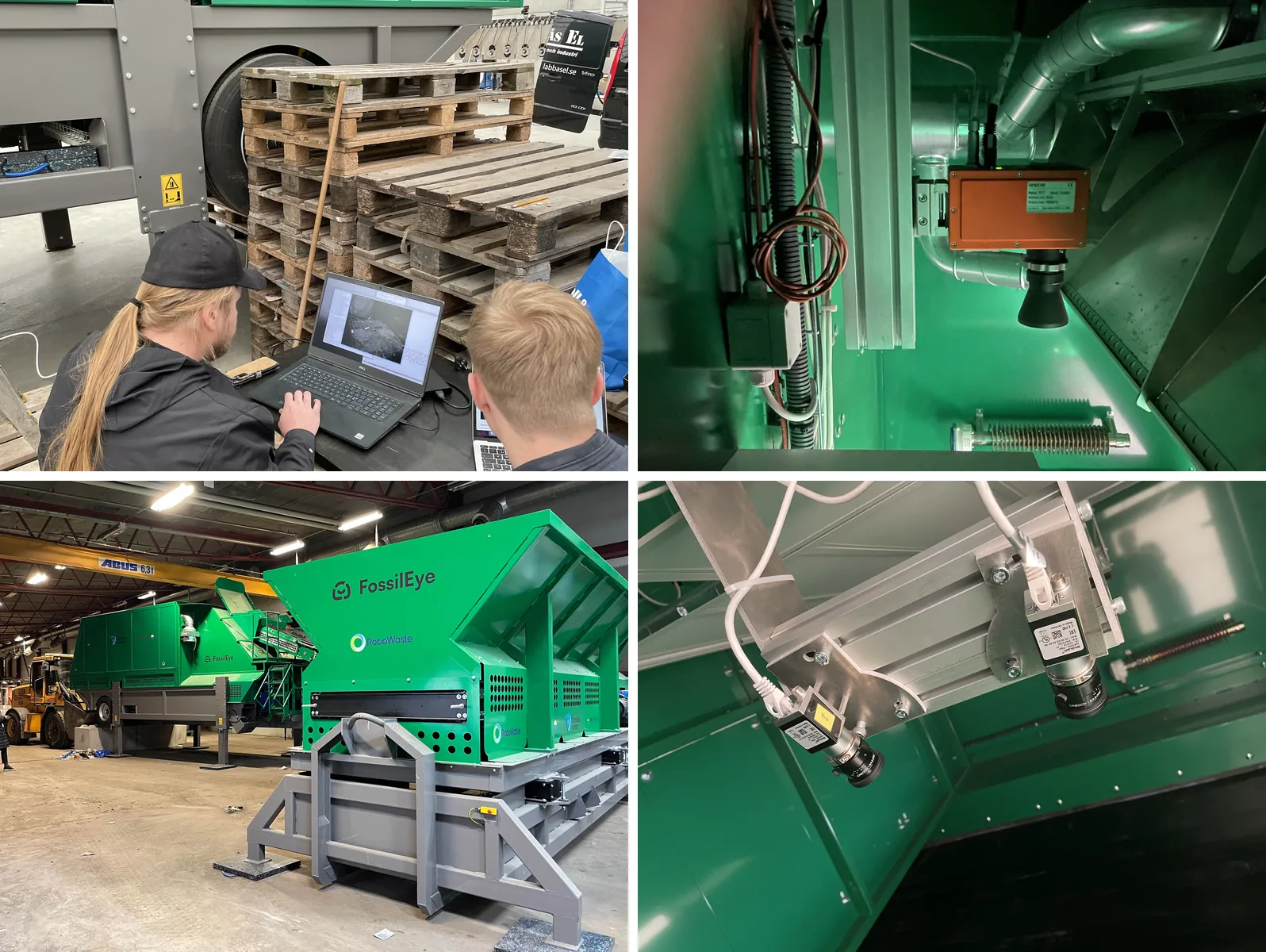
David was CTO of the project, with the whole technology stack on his shoulders. Deep learning, hyperspectral imaging, and defense grade stereo vision, all working together on a conveyor belt of trash.
Wheelscanning Sweden, a spin-off of SAAB, is modernizing tyre management with their Wheelscan system, which measures tyre tread depth with precision using stereo camera technology refined over many years. The technology builds a 3D model from multiple images where every point is measurable, giving consistent and accurate results.
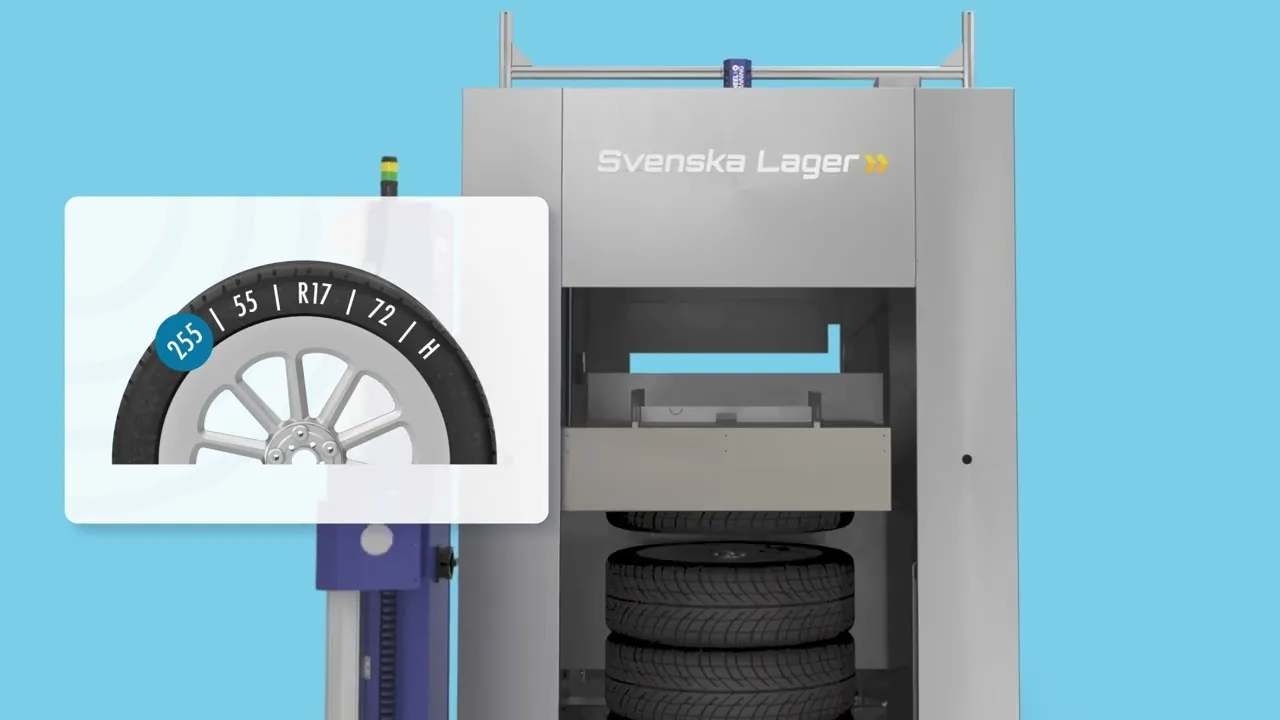
We contributed on the AI side, with David as head of AI working closely with Saab. Stereo vision and 3D measurement is exactly the kind of territory we love working in, and nobody at the company loves it more than he does.
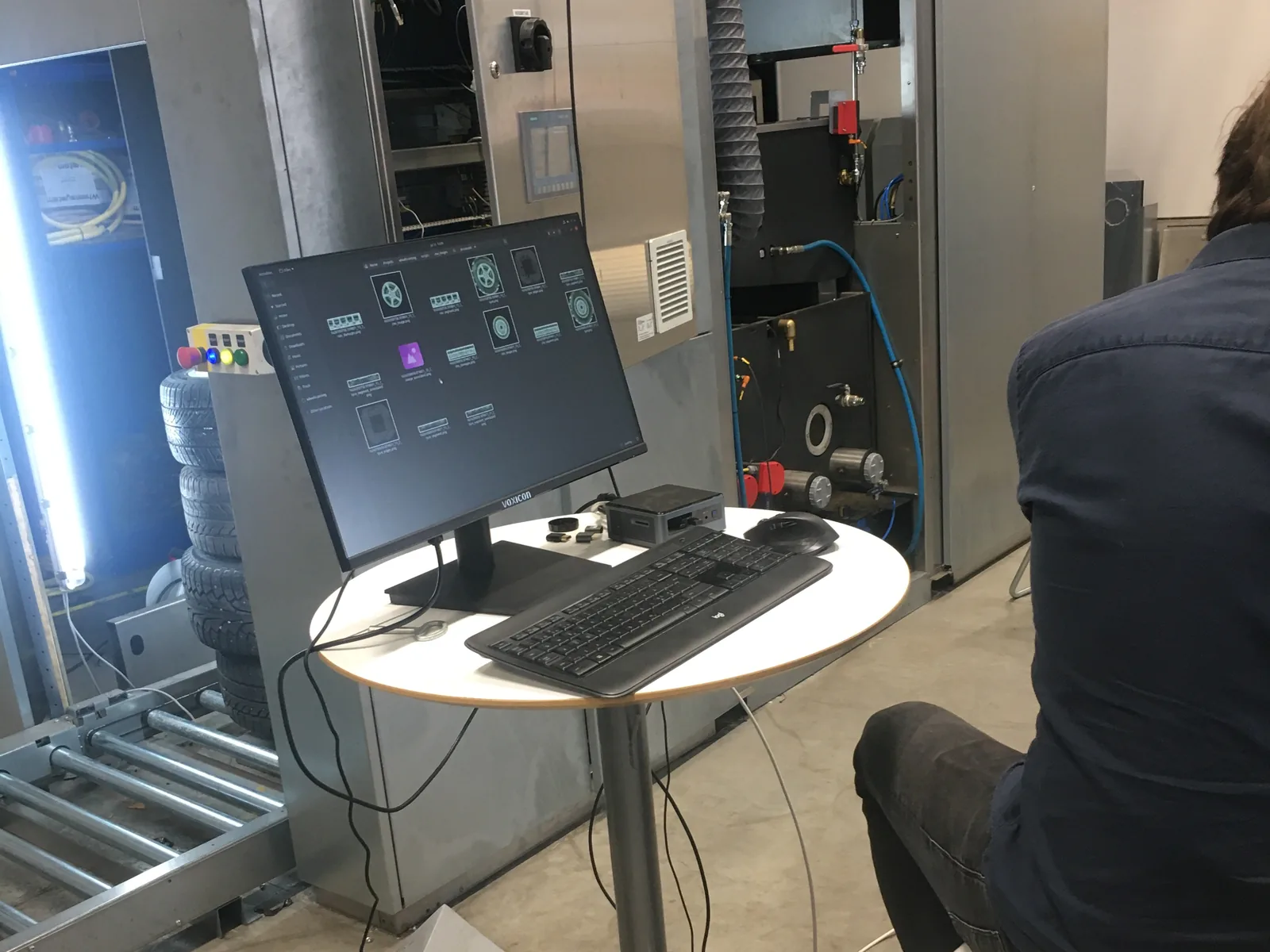

Then there's the stock-taking problem. Together with Eboss, we built a system where cameras read the labels on pallets, article numbers, order numbers, locations, quantities, and turn a wall of shelves into a live, searchable inventory. Reading text off labels in a messy warehouse is much harder than it sounds. Bad lighting, damaged labels, strange angles. The machine learning models at the core of it, the part that makes it all possible, came from David. The system ran under sharp conditions in a real production facility, and it held up.

Rapid Dimension builds industrial 3D printers here in Sweden, and they brought us in as consultants to write the software that drives their printers for high quality manufacturing. Printing a good part isn't just a software problem, it's where code meets physics, so the project involved a healthy dose of mechanical engineering hand in hand with the software work.
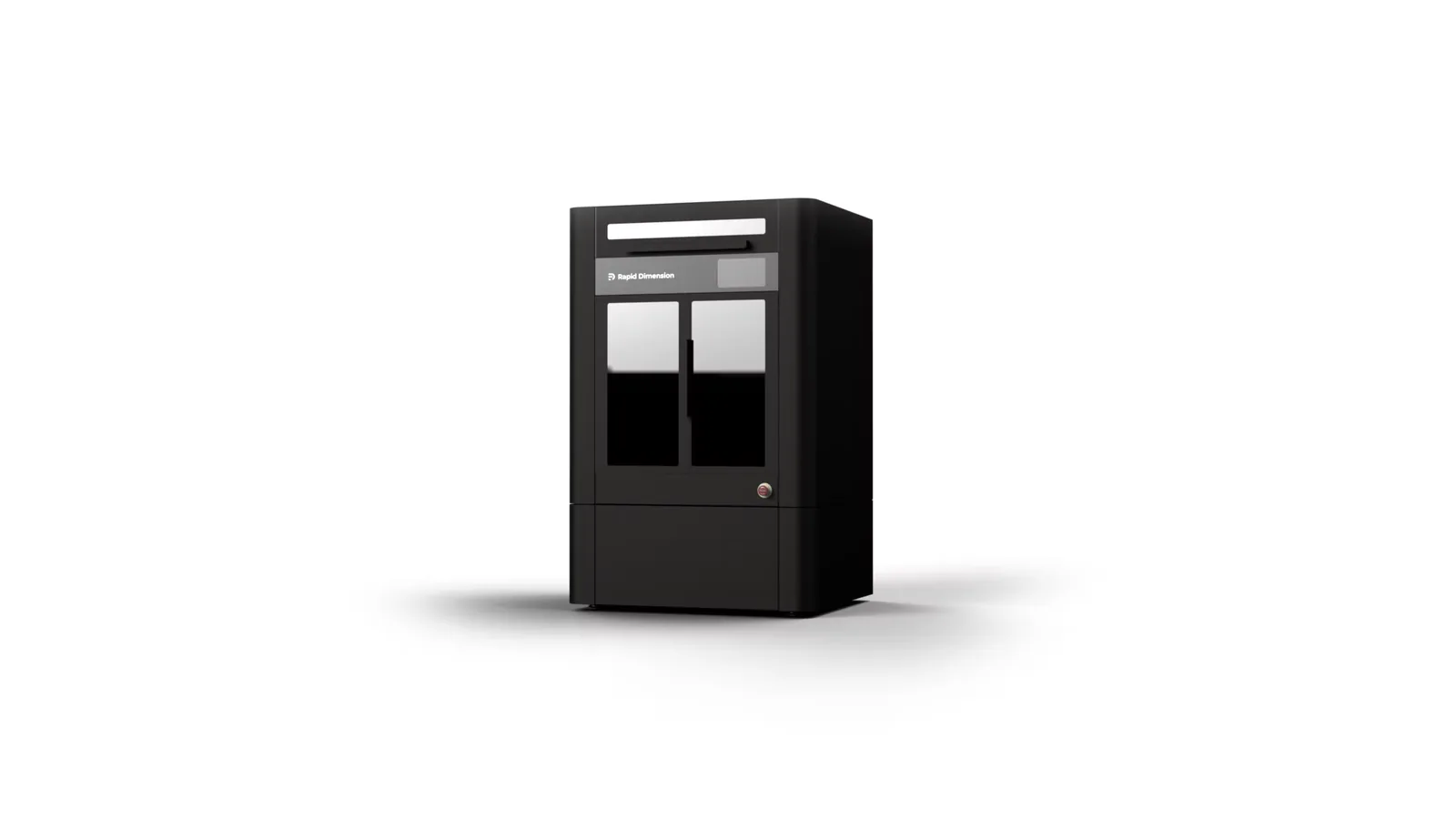
Here's the fun part: David never wrote a line of code on that one. He's the reason we landed it. People trust him, and when he says we can deliver something, they believe it.
That's the short version of David. The long version, you'll have to work with us to find out.
 Download for Mac
 Download for Windows